Origa Script: A Luxurious Script Font
There I was, staring at a blank brand board, trying to find the right visual voice for a new boutique coffee shop. The client wanted something elegant but approachable, something that felt personal and refined. That’s when I reached for Origa Script. It wasn’t just another font—it was a spark of inspiration.
A Relaxed and Stylish Script
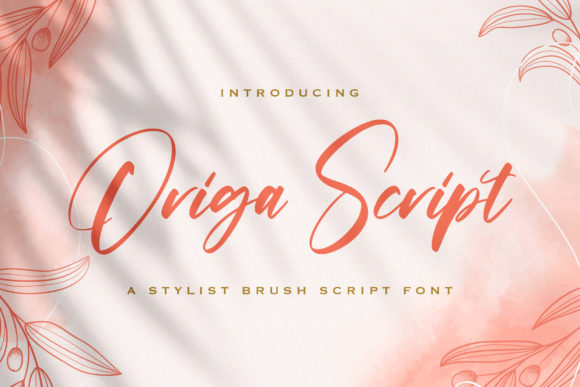
Origa Script is a cursive script font with a relaxed, stylish feel. Its flowing lines and subtle swashes give it a sense of movement and grace. It doesn’t shout, but it commands attention in a way that feels natural and effortless. The font has a softness to it, which makes it perfect for brands looking to convey warmth, creativity, or sophistication without being overly formal.
What stands out about Origa Script is its versatility. It works well as a headline font, a logo typeface, or even an accent in a larger design system. The font’s personality is consistent across different weights and styles, making it easy to integrate into a variety of branding elements.
Testing Origa Script in Real Projects
I first tested Origa Script on a logo concept for the coffee shop. The initial draft used a bold sans serif, but it felt too rigid. Switching to Origa Script added a human touch, making the brand feel more authentic and inviting. The font’s curves and ligatures gave the logo a sense of fluidity that matched the shop’s cozy, artisanal vibe.
Next, I placed Origa Script on a packaging mockup. The font looked great on labels and product tags, adding a luxurious edge without overwhelming the design. It paired well with a simple sans serif for body text, creating a balanced contrast that kept the focus on the message while maintaining visual interest.
On a business card, Origa Script stood out as a strong yet elegant choice. It worked well for the shop’s name and tagline, giving the card a polished look that felt both professional and personal. The font’s readability was impressive, even at smaller sizes, which made it a solid choice for printed materials.
When Origa Script Shines
Origa Script excels in display applications where it can be used as a headline or logo font. It’s ideal for branding projects that aim to communicate a sense of style, creativity, or craftsmanship. Whether it’s a website header, a social media graphic, or a poster, Origa Script adds a touch of sophistication that feels modern yet timeless.
The font also performs well in editorial design, especially when used to highlight key phrases or titles. Its organic flow makes it a good fit for magazines, brochures, or digital publications that want to maintain a cohesive aesthetic without sacrificing clarity.
For web design, Origa Script can be used effectively as a decorative or accent font. When paired with a clean sans serif, it creates a dynamic contrast that enhances visual hierarchy without compromising readability. It’s important to use it sparingly, though—overuse can make a design feel cluttered or unprofessional.
Limitations and Considerations
While Origa Script is a strong choice for many design projects, it’s not suited for every application. It’s not ideal for long paragraphs of body text, as the cursive style can reduce legibility at small sizes. It also may not be the best option for formal corporate branding, where a more structured typeface might be preferred.
Designers should also consider the context of their work. For example, using Origa Script on a shop sign or product label requires careful spacing and sizing to ensure it remains readable from a distance. Testing the font in real-world scenarios is essential before finalizing any design.
Another consideration is font pairing. Origa Script pairs well with serif fonts for a classic look or with sans serifs for a modern twist. It can also work alongside other script fonts, provided the styles are complementary. Experimentation is key to finding the right balance.
Practical Tips for Using Origa Script
Before using Origa Script in client work, it’s wise to test it across different mediums. Try it on a mockup, a social media post, or a printed piece to see how it behaves in various contexts. Pay attention to how it looks at different sizes and against different backgrounds.
Check the font’s licensing terms carefully, especially if you’re planning to use it in commercial projects. Some fonts have restrictions on resale, modification, or use in templates. Always ensure that the license covers your intended use to avoid legal issues down the line.
Origa Script is part of the Script Amp collection, which means it’s available in multiple weights and styles. This gives designers more flexibility when building a typography system. The font also includes alternate characters and ligatures, which can add a custom touch to your designs.